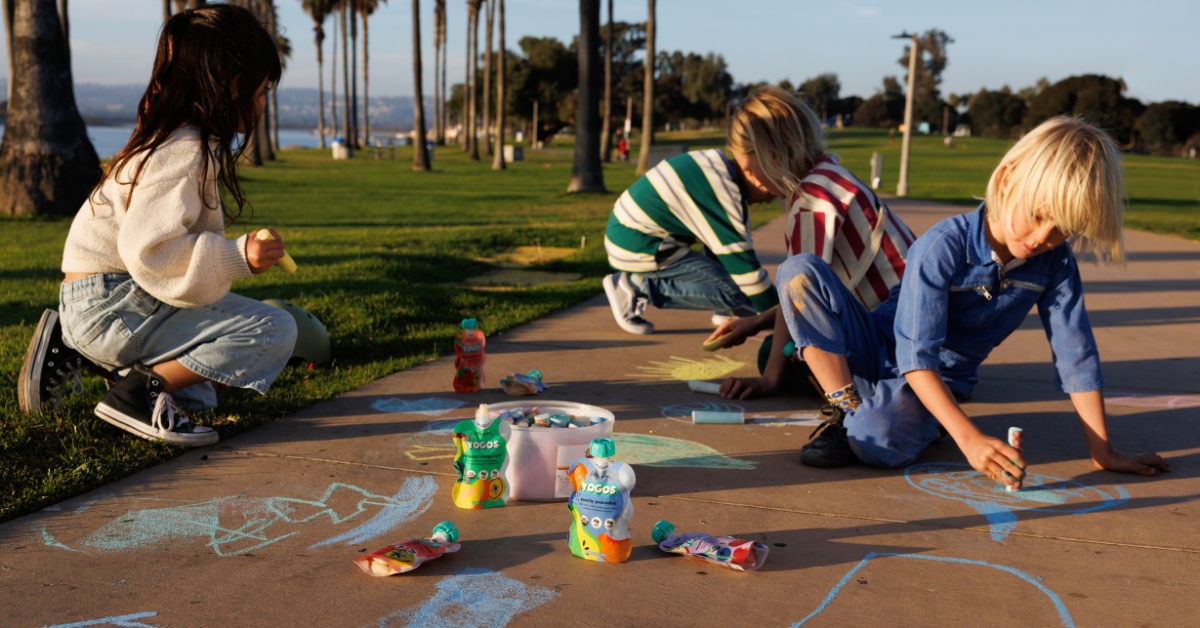
With summer winding down and after endless fun-filled beach days, long afternoons by the pool, and more ooey-gooey marshmallows that we’d like to admit, we’re so ready for the school year to begin. Like most parents, we tend to slip out of our typical routine during the summer, with later bedtimes, flexible screen time rules, and a more relaxed approach to healthy habits (hey, it’s summer!).
When summer ends and school routines return, families often feel the shift immediately. Later bedtimes, relaxed schedules and vacation habits can make the transition back to structured school days feel overwhelming for both kids and parents. However, back-to-school season also offers a valuable opportunity to reset routines and reinforce healthy habits that support learning, energy and overall wellness.
By focusing on a few realistic and sustainable changes, families can help kids feel their best while reducing daily stress. Below are four practical back-to-school health strategies that support smoother mornings, stronger immunity and better focus throughout the school year.
Reset Sleep Schedules First
When children fall out of healthy sleep routines, the effects often ripple through the entire household. Mood regulation becomes harder, mornings feel rushed and both kids and parents end up running on empty. Reestablishing consistent sleep schedules remains one of the most effective ways to support physical health, emotional regulation and academic performance.
Strong sleep hygiene improves sleep quality, strengthens the immune system and supports better behavior and concentration during school hours. To help children transition back into structured sleep routines, focus on creating a calm and predictable sleep environment.
Consider these sleep-friendly adjustments:
Dim the lights or introduce a nightlight to signal that bedtime is approaching and help calm the nervous system.
Install blackout shades to reduce early morning sunlight or lingering evening light that can disrupt circadian rhythms.
Use a sound machine to block outdoor noise, sibling activity or household distractions that may interrupt sleep cycles.
Turn off screens at least one hour before bedtime since blue light stimulates the brain and delays melatonin production.
Establish reading as a nightly wind-down activity to promote relaxation while creating consistent bonding time.
Over time, predictable sleep cues help children fall asleep faster and stay asleep longer.
Upgrade Lunch Gear to Support Better Nutrition
Surprisingly, children often return home with uneaten lunches not because they lack appetite, but because food quality deteriorates throughout the school day. Soggy sandwiches, warm yogurt or leaking containers can make even favorite foods unappealing.
Improving lunch storage helps ensure children actually eat their meals, which supports stable energy levels, stronger concentration and fewer midday mood crashes.
Helpful lunch gear upgrades include:
- Sturdy bento boxes or structured lunch containers that prevent food from shifting, mixing or becoming crushed.
- Temperature-controlled containers that maintain food safety and improve taste. Cold foods stay chilled while warm meals remain appealing and fresh.
- Leak-proof mini containers designed for dips, dressings and sauces that prevent spills and maintain texture.
- Ice packs that help preserve freshness when insulated lunchboxes are unavailable.
- Durable stainless steel or leak-proof water bottles that keep beverages cold while preventing backpack leaks.
These small upgrades often increase the likelihood that children finish meals and maintain steady energy throughout the school day.
Help Kids Build Strong Germ-Fighting Habits
Back-to-school season also introduces increased exposure to germs. Crowded classrooms, shared supplies and inconsistent hand hygiene make schools common environments for illness transmission. Fortunately, building strong hygiene habits can significantly reduce infection risk.
Handwashing remains the most effective prevention strategy. However, many children rush through the process or skip important steps. Turning hygiene into a fun and engaging activity often improves consistency.
Try these strategies to encourage better handwashing habits:
- Let children choose their own colorful, scented or foaming soap to increase excitement and ownership.
- Create sticker charts or simple reward systems to reinforce consistent handwashing.
- Attach small hand sanitizer containers to backpacks to encourage hygiene when sinks are unavailable.
- Teach proper handwashing technique using songs, rhymes or routines that guide children through scrubbing fingers, nails and wrists.
- Use visual timers such as hourglasses or stopwatches to help children wash hands for the full recommended 20 seconds.
When hygiene becomes playful rather than mandatory, children are more likely to build lasting habits.
Support Immunity Through Nutrient-Dense Foods
Nutrition also plays a central role in helping children resist common school illnesses. While no single food prevents sickness, a varied and nutrient-rich diet supports immune function and overall resilience.
Consider incorporating these immune-supportive foods into meals and snacks:
- Greek yogurt provides probiotics, which support gut health and immune function. Families can serve yogurt parfaits layered with fruit and granola or pack convenient whole milk Greek yogurt blends like Little Spoon YoGos for lunchboxes.
- Dragon fruit contains high levels of vitamin C, an antioxidant that helps protect cells and supports immune defense. Frozen dragon fruit works well in smoothies, overnight oats or fruit bowls. Blends such as Little Spoon Paradise Punch combine pitaya and guava, both naturally rich in vitamin C.
- Spinach offers vitamins A, C and K along with iron and fiber, all of which support immune health. Parents can blend spinach into pancakes or muffins, mix it into sauces or serve meals such as spinach and cheese ravioli that incorporate vegetables in familiar formats.
- Chicken supplies vitamin B6, which supports immune cell development. Simple meals such as chicken tacos, mini sandwiches or baked nuggets provide kid-friendly ways to incorporate this nutrient.
- Pumpkin contains fiber, protein and iron along with vitamins A and C that strengthen immune defense. Parents can stir canned pumpkin into pasta sauce, bake it into breads or include snacks that incorporate pumpkin-based ingredients.
Additionally, nutrient-dense snack options such as immune support pouches can provide vitamin C, zinc, magnesium, potassium and other minerals that support overall immune function. Keeping these options available during peak illness seasons can help families stay ahead of common school exposures.
Bringing It All Together
Back-to-school season can feel overwhelming, especially when families focus on balancing schedules, academic demands and overall health. Fortunately, small, consistent adjustments often produce meaningful results.
Prioritizing sleep routines, improving lunch storage, reinforcing hygiene habits and incorporating immune-supportive foods create a strong foundation for healthy school-year routines. Most importantly, consistency matters far more than perfection. Even gradual improvements help children feel energized, focused and prepared to learn.
With thoughtful routines and supportive habits, families can create smoother mornings, stronger immunity and a more balanced school-year rhythm for everyone involved.