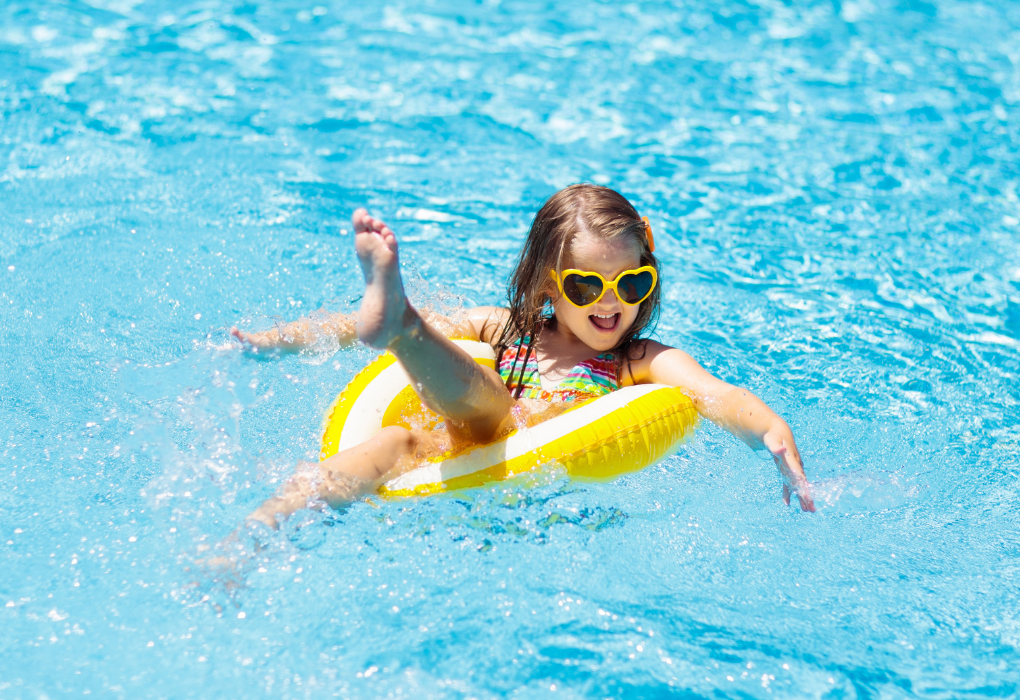
Swim Safety for Kids: How to Keep Children Safe in Pools, Lakes, and Beaches This Summer
Summer means sunshine, water play, and long days outside. It also brings one of the biggest seasonal safety risks for children: water-related accidents. Drowning remains one of the leading causes of accidental injury for young children, which means water safety is not optional—it is essential.
The good news is that most water accidents are preventable. With the right preparation, supervision, and gear, families can enjoy pools, beaches and lakes while dramatically lowering risk.
Below is a parent-friendly, expert-informed guide to swim safety, including lessons, supervision strategies, gear recommendations, and swimsuit safety tips that many families overlook.
Why Swim Safety Matters More Than Parents Realize
Children are naturally drawn to water. It is fun, stimulating, and exciting, but it can also be unpredictable. Water accidents happen quickly and quietly, often without splashing or obvious distress signals. Strong swimmers can still face danger if they become tired, distracted, or overwhelmed.
Building strong swim safety habits protects children while also helping them gain confidence and independence around water environments.
Swimming Lessons: One of the Most Important Safety Tools
Swimming lessons are one of the most effective ways to reduce drowning risk. Children who participate in structured swim instruction learn essential survival skills such as floating, breath control, and safe entry and exit from the water.
Experts recommend starting swimming lessons as early as developmentally appropriate, often beginning in toddlerhood. Lessons do not need to focus on advanced swimming strokes. Instead, they should prioritize water comfort, safety awareness, and survival skills.
When selecting swim lessons, look for programs that include:
- Water entry and exit skills
- Floating and breath control techniques
- Water confidence and safety rules
- Age-appropriate survival instruction
Even strong swimmers still require supervision, but lessons significantly increase safety and confidence.
Life Jackets and Water Safety Gear That Actually Save Lives
Not all flotation devices provide equal protection. Inflatable arm floaties and novelty pool toys can create a false sense of security because they are not designed as life-saving equipment.
For open water, boating, or inexperienced swimmers, families should use U.S. Coast Guard-approved life jackets. Properly fitted life jackets help keep children positioned safely in the water and provide critical protection during unexpected slips or fatigue.
A properly fitted life jacket should:
- Fit snugly without riding up over the chin or ears
- Match the child’s weight and size guidelines
- Remain secure when gently lifted at the shoulders
While children may resist wearing safety gear, consistent use builds routine and significantly improves protection.
Active Supervision: The Most Effective Safety Strategy
Supervision is the single most important factor in preventing water accidents. Many incidents occur when adults are nearby but distracted.
Active supervision means maintaining constant visual attention and staying close enough to intervene immediately. Water watchers should avoid phones, conversations, or multitasking while children are swimming.
Best practices for supervision include:
- Staying within arm’s reach for young or inexperienced swimmers
- Rotating designated adult water watchers during group gatherings
- Avoiding reliance on older siblings to supervise younger children
- Maintaining supervision even when lifeguards are present
Water accidents happen quickly, which is why focused supervision dramatically reduces risk.
How to Choose the Safest Swimsuits for Kids
Swimsuit selection affects more than style. Proper fit, visibility, and sun protection all contribute to water safety and comfort.
Choose Properly Fitted Swimwear
Swimsuits should fit snugly without restricting movement. Loose suits can slip, bunch, or create drag in the water, while overly tight suits can limit comfort and mobility. Proper fit allows children to move safely and confidently.
Look for Built-In UV Protection
Many swimsuits now include UPF-rated fabric that helps block harmful ultraviolet rays. UV-protective swimwear adds an extra layer of sun protection, especially during extended water play when sunscreen may wear off.
Prioritize Bright, High-Visibility Colors
Bright colors significantly improve visibility in water. Neon pink, orange, yellow, and bright green are typically easiest to see underwater and from a distance. Dark colors, blue tones, and white swimsuits can be harder to spot, especially in lakes or crowded pools.
Let Kids Help Choose Their Swimwear
Allowing children to help select swimsuits encourages cooperation and excitement about water safety routines. When kids feel ownership over their swim gear, they are more likely to wear it consistently.
Additional Swim Safety Tips Parents Should Know
Families can further reduce water risk by building strong safety habits and preparation routines.
Teach children basic water rules such as asking permission before entering water and never swimming alone. Encourage regular hydration and rest breaks to prevent fatigue. Introduce water slowly when visiting new environments such as lakes or oceans where visibility and currents differ from pools.
Parents should also learn CPR and basic water rescue skills whenever possible. Emergency preparedness significantly improves outcomes if accidents occur.
Making Water Safety a Positive Experience for Kids
Water safety does not need to feel restrictive or intimidating. When families present safety habits as part of fun routines, children develop lifelong healthy water behaviors. Confidence grows when kids feel supported, prepared, and comfortable practicing new skills.
Creating positive associations with safety gear, lessons, and supervision helps children build strong, independent water skills over time.
Key Takeaways
Swim safety starts with preparation, supervision, and the right equipment. Swimming lessons teach essential survival skills, while properly fitted life jackets provide critical protection in open water. Active supervision remains the most effective way to prevent accidents. Choosing bright, well-fitted swimwear improves visibility and comfort, and teaching consistent water safety habits helps children build confidence and independence around water.