Potty training is one of those parenting milestones that feels exciting, emotional, and sometimes… honestly confusing. In the early stages, it is very common for children to pee or poop less often while they learn how to recognize their body’s signals. That temporary shift can feel scary for parents, but in many cases, it is simply part of learning a new skill.
Sometimes, though, kids intentionally hold in pee or poop. When that happens, it can lead to frustration, power struggles, and real physical discomfort. Understanding why children withhold and knowing how to respond can help you support your child without turning potty training into a stressful battle.
What Withholding Looks Like
Every child has a different bathroom rhythm. Some kids naturally go more frequently, while others go fewer times per day. Both patterns can be completely normal.
Withholding usually shows up when a child:
- Goes unusually long periods without peeing
- Avoids sitting on the potty despite obvious need
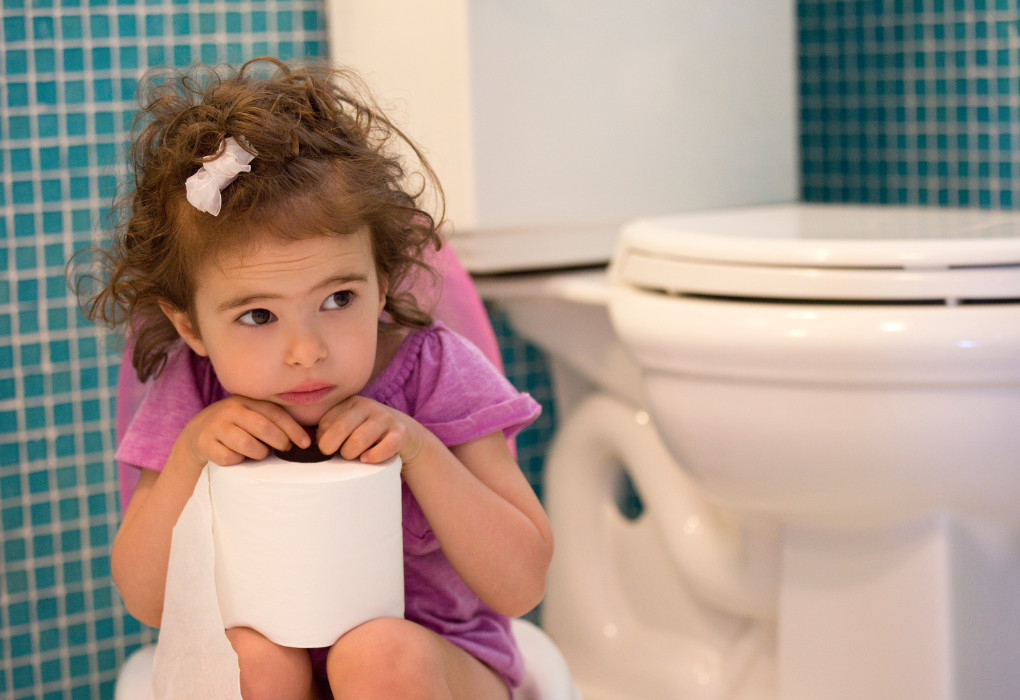
- Crosses legs, hides, or stiffens their body to avoid going
- Waits until bedtime or asks for a diaper to poop
- Has accidents immediately after resisting the potty
If these behaviors appear consistently, your child may be withholding out of fear, control, or uncertainty.
Why Children Withhold During Potty Training
Fear of New Sensations
Potty training introduces sensations that feel completely unfamiliar to children. Until this point, children release pee and poop into a diaper where everything feels contained and predictable. When that changes, the sensation can feel surprising or even scary. Some children describe it as feeling like something is falling out of their body, which can understandably cause hesitation.
The Toddler Power Phase
The developmental window when children are ready for potty training often overlaps with a major autonomy phase. Toddlers begin experimenting with independence, control, and decision-making. Refusing to use the potty can become one of the few areas where they feel fully in charge.
This is why some children insist they will only poop in a diaper or refuse to go entirely. It is rarely about defiance and more about trying to gain control during a time of big developmental change.
When Withholding Becomes Concerning
Short-term withholding is common. However, prolonged withholding can lead to constipation, urinary discomfort, or fear cycles around bathroom use.
You should pay closer attention if your child:
- Does not urinate for 12 hours or more
- Does not have a bowel movement for 3 days or longer
- Shows signs of pain when trying to go
- Becomes increasingly anxious about the potty
If these patterns appear, it is a good idea to consult your pediatrician.
How to Help a Child Who Is Withholding
Children respond best to potty training when it feels safe, playful, and pressure-free. The goal is to reduce fear and increase confidence, not force compliance.
Make Potty Time Playful and Low Pressure
Introducing novelty and fun can lower anxiety and increase participation. Try creating a special basket filled with sensory toys, books, or small activities that are only available during potty time. Limiting access to these toys outside potty time increases excitement and motivation.
Use Play to Teach Potty Skills
Children learn extremely well through imitation and pretend play. Encourage your child to teach a favorite stuffed animal or doll how to use the potty. Role-playing allows children to process new experiences in a safe and empowering way.
Offer Structured Choices
Providing simple choices helps children feel in control without shifting expectations. For example, you might ask whether they want to sit on the potty before or after reading a book, or whether they want to use the big potty or a training potty. The child gets autonomy while the routine remains consistent.
Maintain Clear and Consistent Expectations
Switching back and forth between diapers, Pull-Ups, and underwear can create confusion. Once you begin potty training, consistency helps children understand expectations and build confidence in their new routine.
Parent Scripts That Reduce Power Struggles and Build Confidence
Knowing what to say in the moment can make potty training feel calmer and more collaborative.
When Your Child Is Afraid to Release Pee or Poop
“Your body might feel different when pee or poop comes out. That can feel surprising. Your body knows how to do this, and I’m here with you.”
When Your Child Refuses to Sit on the Potty
“You get to choose when you sit, and using the potty is still something your body needs to practice. Do you want to sit before or after we read your book?”
When Your Child Asks for a Diaper to Poop
“It makes sense that diapers feel familiar and safe. Your body is learning a new skill now, and I know you can figure it out. I’ll stay close while you try.”
When Your Child Feels Embarrassed After an Accident
“Accidents happen when our body is learning something new. You are still learning, and that is okay.”
When Your Child Successfully Uses the Potty
“You listened to your body and tried something new. That shows your body is learning and growing.”
When It Is Okay to Take a Break From Potty Training
Potty training often involves ups and downs, and most families benefit from pushing through the early adjustment period. That said, there are important situations where pausing can be helpful and healthy.
You may want to take a break if:
- Your child develops medical concerns related to withholding
- Withholding continues beyond three days without improvement
- You are dealing with illness, injury, or major life stress
- Potty training is creating significant emotional distress for your child or family
- There is no measurable progress after about one week
Taking a break does not mean failure. Many children benefit from returning to potty training after a few weeks when they feel more ready.
Supporting Confidence During This Big Developmental Milestone
Potty training represents independence, body awareness, and emotional growth. Progress rarely happens in a straight line. Some days feel easy, while others feel frustrating and messy. That is normal.
Children build confidence when parents stay calm, supportive, and consistent. When potty training feels safe rather than pressured, children are more likely to develop long-term success and healthy body awareness.
Key Takeaways
Withholding pee or poop during potty training is common and often linked to fear of new sensations or a child’s growing need for control. Short-term withholding is usually part of learning, but prolonged withholding can cause physical and emotional stress. Parents can reduce resistance by keeping potty training playful, offering structured choices, maintaining consistency, and responding with calm support. Taking breaks from potty training can be appropriate when health or emotional wellbeing is affected.