When it comes to picky eating, I’ve truly seen it all—from toddlers melting down over green specks in pasta to older kids skipping birthday pizza because it “looks different.” If you’re in the thick of it, you’re not alone. Picky eating is incredibly common, and it can feel frustrating, exhausting and sometimes even personal when your child refuses foods you worked hard to prepare.
The good news? Research and real-world feeding experience both show that picky eating is highly changeable. With the right strategies, you can both prevent pickiness from developing and gently expand your child’s comfort with new foods over time—even if your child currently survives on three beige foods and strong opinions.
So grab a plate—let’s dig in.
Variety Builds Brave Eaters
One of the most effective ways to reduce picky eating is to regularly introduce a wide range of flavors, textures and ingredients. Children are naturally cautious eaters. That hesitation actually serves a developmental purpose—it helps protect them while they learn what is safe to eat. The goal isn’t to eliminate caution, but to build familiarity.
Offering a rotating variety of meals allows children to experience new foods alongside ones they already trust. When kids repeatedly see different ingredients presented in approachable ways, those foods slowly become less intimidating and more familiar.
Meals that balance friendly favorites with newer ingredients can be especially helpful. For example, pairing pasta or rice with vegetables, herbs or proteins introduces new flavors without overwhelming your child’s comfort zone. Over time, this type of exposure helps expand preferences and reduce food-related anxiety.
Little Spoon’s rotating meal menu naturally supports this strategy by combining familiar favorites like mac and cheese with more diverse ingredients and flavor profiles. That built-in variety helps parents introduce new foods without needing to constantly brainstorm or prep multiple separate meals.
Repeated Exposure Is the Real Secret
Many parents assume their child dislikes a food after one or two refusals. In reality, most children need repeated exposure before they feel comfortable trying something new. Research shows that children may need to see or experience a food 10 to 20 times—or sometimes more—before accepting it.
Exposure doesn’t always mean eating. Simply seeing a food on the plate, touching it, smelling it or watching someone else enjoy it all contribute to building familiarity.
This is where consistency plays a powerful role. Serving foods repeatedly without pressure helps remove fear and builds curiosity. Even when your child ignores the broccoli or roasted sweet potatoes sitting next to their favorite pasta, their brain is still learning that the food is safe and normal.
Meals that consistently include a range of ingredients create natural opportunities for these low-pressure exposures. Over time, those exposures add up and often lead to increased willingness to taste and eventually accept new foods.
Consistency Creates Confidence at Mealtime
Children thrive on predictability, and that applies to food just as much as bedtime routines or daily schedules. Offering balanced meals regularly helps kids feel secure and reduces anxiety around unfamiliar foods.
Consistency also removes pressure from parents. When nutritious, balanced meals are readily available, it becomes easier to offer a variety of foods repeatedly without turning mealtime into a negotiation or short-order cooking situation.
Convenience can play an important role here. Having meals ready to serve allows families to maintain exposure to diverse foods even on busy nights when energy and time are limited. Regular access to balanced meals helps normalize variety and supports long-term acceptance of new foods.
Little Spoon’s ready-in-minutes meals can support this consistency by making it easier to offer balanced options that include vegetables, proteins and whole grains without additional prep. That reliability helps parents stay consistent, which is one of the strongest tools for improving picky eating.
Kids Eat With Their Eyes First
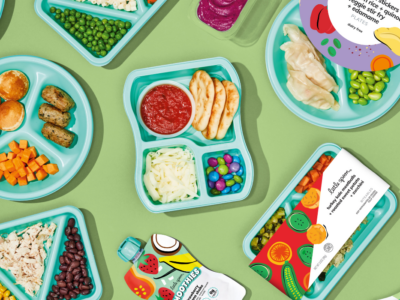
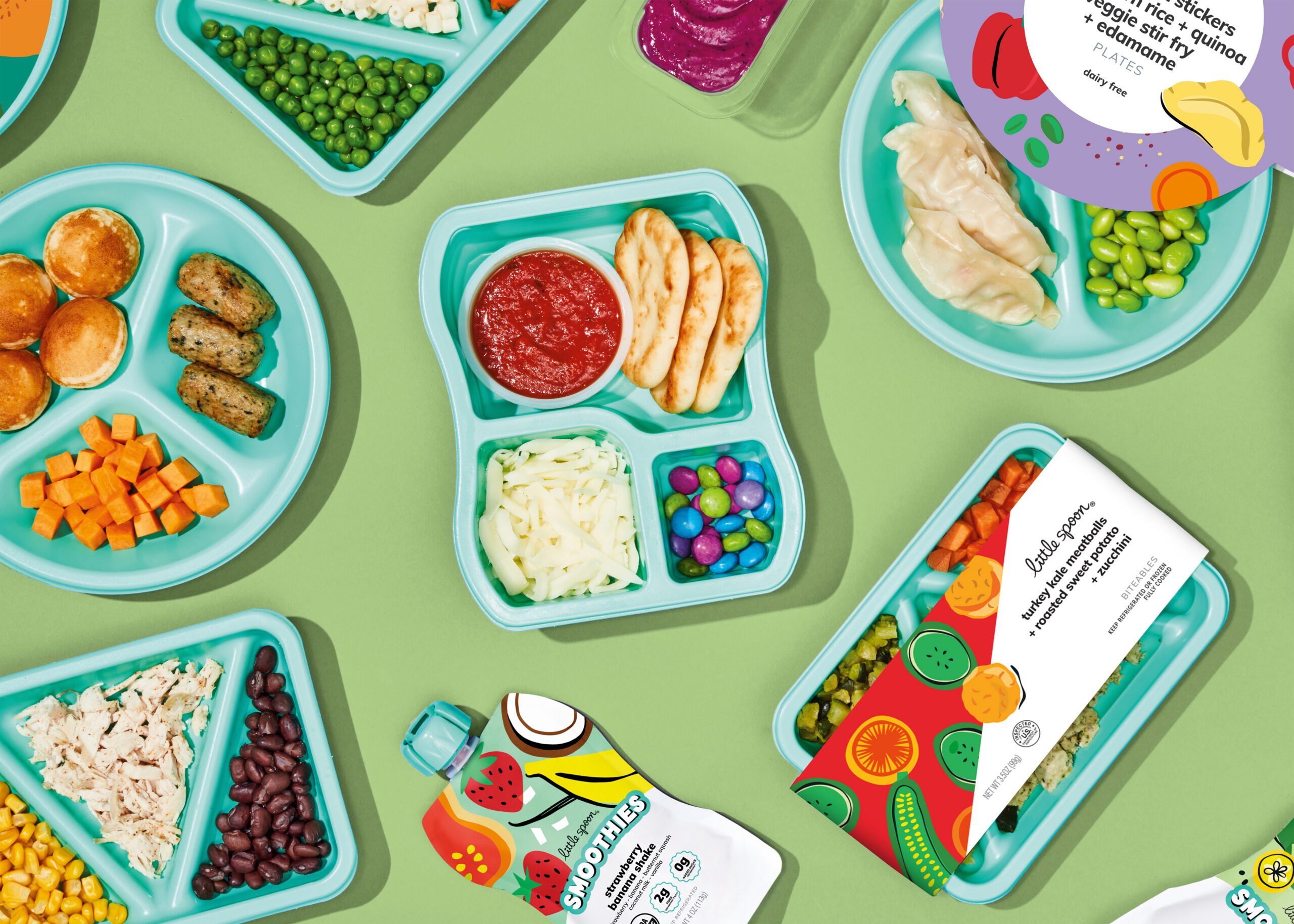
Children truly do eat with their eyes first. Bright colors, varied textures and visually interesting meals can spark curiosity and make food feel more approachable.
Many picky eaters naturally gravitate toward foods that are similar in color or texture—often softer, beige or crunchy foods. Introducing colorful vegetables, varied textures and mixed ingredients helps broaden sensory acceptance and prevents children from becoming overly reliant on one type of food experience.
Exposure to visual diversity teaches children that food can look different while still being safe and enjoyable. Meals that include multiple colors, textures and shapes support sensory development and help reduce food rigidity over time.
Little Spoon meals emphasize colorful ingredients and varied textures, which naturally encourages children to interact with a broader range of foods during mealtime.
Progress Over Perfection
Picky eating rarely changes overnight. It improves through repeated exposure, consistent meal patterns and a low-pressure feeding environment. Every time your child sees, smells or interacts with a new food, they take one small step toward acceptance.
By offering variety, maintaining consistency and creating repeated opportunities for exposure, you help build a positive relationship with food that supports lifelong healthy eating habits.
With thoughtfully designed meals, built-in variety and convenient preparation, tools like Little Spoon can support parents through this phase—helping reduce stress while creating more opportunities for kids to explore and enjoy new foods.
And remember: progress in picky eating often looks slow, but those small exposures and repeated experiences truly add up. Keep showing up. You’re doing better than you think.
Happy eating.