If you’re anything like me, your kids are your alarm clock. The moment they wake up, they’re ready to eat. We do quiet time for 30 minutes in the morning so I can get ready, but come 6:30… it’s BREAKFAST TIME.
And if you’re a parent, you KNOW mornings can feel chaotic, especially when breakfast is involved. Figuring out what to feed your kids so they stay full, meet their nutrient needs and don’t fall into the same food rut every day can feel overwhelming. Add in rushing out the door and managing two big transitions—waking up and leaving the house—and it’s a lot before 7 AM.
So when I discovered that Little Spoon offers breakfast options packed with nourishing protein and healthy fats—and made with clean ingredients—I was genuinely thrilled. Their ready-to-heat meals make mornings dramatically easier without sacrificing nutrition or quality.
Without further ado, here are my top tips for navigating breakfast with your kiddos.
Protein matters—but don’t forget fat
Many parents focus heavily on protein intake. However, the nutrient we should really prioritize at breakfast is fat. Protein and carbohydrates (including fiber) absolutely matter, and most breakfasts naturally cover carbohydrates through fruit and whole grains. Still, fat plays a critical role in early childhood nutrition.
Young children actually need proportionally more fat than at any other stage of life. Rapid brain and eye development during infancy and toddlerhood drive this need. Plus, fat helps keep little bellies full longer while supporting cognitive growth.
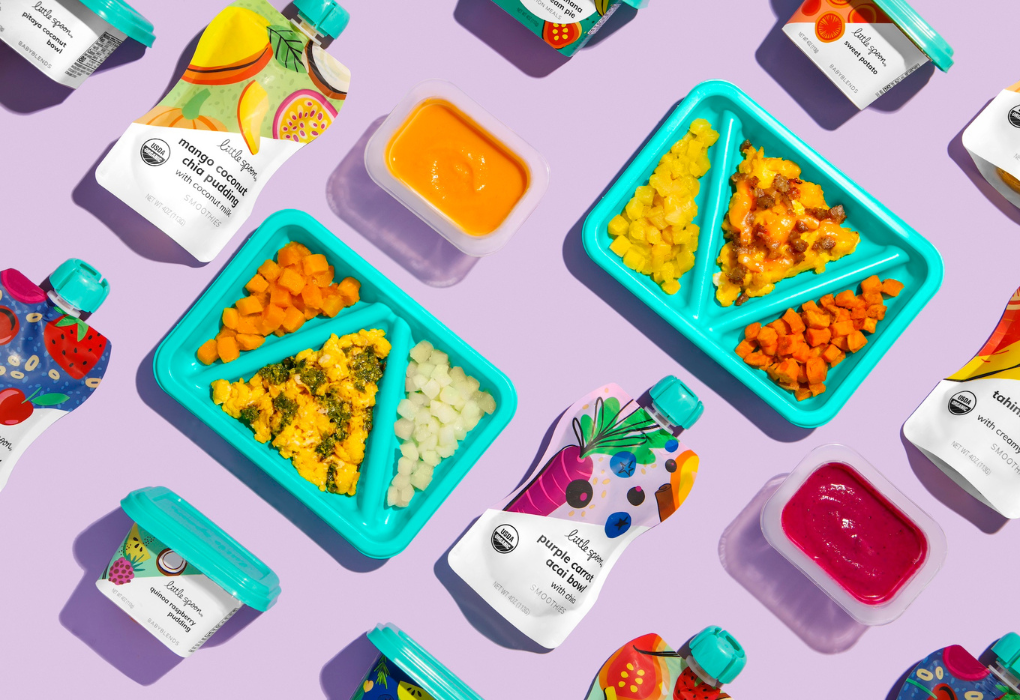
Little Spoon truly understood the assignment here. Their Classic Breakfast Plate includes cage-free eggs, breakfast sausage and carrot sweet potato hash browns—check, check, check. Meanwhile, the Mini Classic Eggs and Sausage Biteables feature many of these same balanced ingredients in safe, cut-to-size portions for transitioning eaters. I love that these meals deliver protein, carbohydrates and development-supporting fats in one easy option.
Veggies belong at breakfast
Let’s collectively retire the idea that certain foods belong only at certain meals—especially vegetables. Offering at least one veggie at breakfast creates consistent exposure and helps normalize vegetables as an anytime food. Over time, this builds familiarity and acceptance.
In our house, Little Spoon meals make this incredibly easy because vegetables are woven naturally into recipes. The Pesto Eggs Biteables include parmesan kale pesto and butternut squash. The Blueberry Purple Carrot Oatballs sneak in nutrient-packed purple carrots alongside warm cinnamon-swirled apple flavors. Kids get the benefits without the mealtime negotiation.
Breakfast is a secret weapon for picky eaters
Breakfast creates a unique opportunity for expanding food acceptance, and here’s why.
First, traditional breakfast foods often feel familiar and safe. Safe foods encourage kids to explore new foods on their plate. Meals like Little Spoon’s Mini Pancake Puffs with hidden veggie maple sausage and sweet potatoes offer that perfect balance.
Second, mornings usually carry less emotional and sensory overload. By dinner, kids often feel tired, overstimulated or processing the day’s events. Breakfast typically happens when kids feel refreshed and more open to trying new textures and flavors. Put a Little Spoon Classic Breakfast Plate in front of them, and they can focus fully on enjoying the meal.
Finally, breakfast offers an ideal time to build independence. Kids can help with simple kitchen tasks like using a toaster or microwave, washing fruit, pouring milk or setting the table. Even toddlers can practice autonomy by choosing between two meal options. Offering choices like Pesto Eggs or Mini Classic Eggs and Sausage Biteables helps kids feel empowered and more invested in eating.
Little Spoon’s new breakfast meals help kids start their day sunny-side up by incorporating healthy fats, seamlessly including vegetables and encouraging independence. Honestly, it’s a win-win-win.