5 Immune-Boosting Foods to Support Your Family’s Health

These simple nutrition tips can help support you & your babe’s immunity.

What you feed your family truly matters when it comes to supporting their immune systems. The good news? You don’t need complicated supplements or expensive superfoods. Simple, whole-food nutrition choices can make a real difference in how well your body (and your little one’s) defends against everyday germs and stressors.

As a registered dietitian specializing in family nutrition, I’m here to share five practical, science-backed ways food can help boost immunity for both you and your baby or toddler. These aren’t just theoretical tips—they’re real strategies you can start using today, whether you’re navigating your baby’s first foods or managing a picky toddler’s plate.

Important Note: While a balanced diet rich in immune-supporting nutrients helps your body’s natural defenses function optimally, no food or supplement can prevent or cure specific infections like colds, flu, or COVID-19. Always follow public health guidelines for illness prevention and consult your pediatrician before introducing new foods to your baby, especially common allergens. If your baby shows signs of severe dehydration (no wet diapers for 8+ hours, sunken fontanelle, extreme lethargy), persistent fever, or difficulty breathing, seek medical attention immediately.

Key Takeaways: Quick Immune-Boosting Food Guide

Before we dive deep, here’s what you need to know:

  • Balance Your Macros: Pair carbohydrates with protein and fiber to prevent blood sugar spikes that can trigger inflammation
  • Optimize Your Fats: Increase omega-3 intake (fatty fish, flax) while reducing omega-6 (vegetable oils) to support healthy immune function
  • Load Up on Vitamin C: Broccoli and red bell peppers actually contain more vitamin C than oranges
  • Support Gut Health: Feed the 70-80% of the immune system located in your gut with both probiotics (fermented foods) and prebiotics (fiber)
  • Stay Hydrated: Monitor for signs of dehydration like irritability and fatigue, especially in toddlers

Immune-Boosting Foods: Your Quick Reference Guide

Let’s start with a simple overview of the most powerful immune-supporting foods you can incorporate into your family’s meals:

Nutrient Food Sources Serving Ideas
Vitamin C Broccoli, red bell peppers, strawberries, oranges, kiwi Lightly steamed broccoli, raw pepper strips, fresh berries
Omega-3 Fats Salmon, mackerel, sardines, ground flax, walnuts Baked salmon, flax in smoothies, walnut butter
Probiotics Yogurt, kefir, kimchi, sauerkraut, miso Plain yogurt with fruit, kefir smoothies
Prebiotics Beans, oats, flaxseed, chia, berries, apples, potatoes Oatmeal, bean soups, baked sweet potatoes
Protein + Fiber Eggs, chicken, lentils, quinoa, whole grains Scrambled eggs with veggies, lentil curry

Now, let’s explore each strategy in detail so you can put these foods to work for your family.

Eat a Balanced Diet (Protein + Fiber + Carbs)

Here’s something that might surprise you: carbohydrates eaten alone can spike blood sugar levels, which triggers inflammation in the body. According to research published in the Journal of Clinical Endocrinology & Metabolism, these blood sugar spikes can temporarily suppress immune function.[1]

The solution is simpler than you might think. When you pair carbohydrates with protein and fiber, you create a more gradual rise in blood sugar, which is much better for overall health and immune function.

What This Looks Like in Real Life:

Instead of serving pasta as the main event, make it a smaller portion of your meal. Give protein (like chicken, ground beef, or beans) and fiber-rich vegetables (like chopped spinach, broccoli, or kale) equal time in the spotlight.

Age-Specific Guidance for Balanced Meals

For Adults:

  • Fill half your plate with vegetables, one-quarter with protein, and one-quarter with whole grains
  • Aim for at least 25-30 grams of fiber daily from whole foods

For Babies (6-12 months):

  • Introduce a variety of textures and flavors early to build acceptance
  • Offer iron-rich proteins like pureed meats, beans, or iron-fortified cereals
  • If your baby is in the pureed food phase, Little Spoon’s Kale Avocado Green Apple Chia blend offers a beautiful balance of healthy fats, fiber, and nutrients in one convenient pouch

For Toddlers (1-3 years):

  • Serve smaller portions of pasta (about 1/4 cup cooked) alongside protein and vegetables
  • Make meals colorful and interactive to encourage exploration
  • According to the American Academy of Pediatrics, toddlers need about 13 grams of protein daily, which is easier to achieve than you might think (one egg provides 6 grams!)

Pro Tip: Batch-cook proteins and roast vegetables on Sunday so you can quickly assemble balanced meals throughout the week. For your little one, having nutritious options like Little Spoon’s Babyblends on hand means you always have that protein-fiber-carb balance ready to go, even on your busiest days.

Incorporate Omega-3 Rich Foods (Anti-Inflammatory Fats)

Let’s clear something up: “fats” sometimes get a bad reputation, but your body actually needs healthy fats. It’s all part of that balanced diet we just talked about.

There are two types of essential fatty acids (called “essential” because our bodies can’t make them): omega-3 and omega-6 fats. The key is balance. Most Americans consume far more omega-6 than omega-3 fats. This imbalance promotes inflammation, which can weaken immune function over time.[2]

Omega-3 vs. Omega-6 Food Sources

Rich Omega-3 Sources (increase these):

  • Fatty fish: salmon, mackerel, sardines
  • Pasture-raised or omega-3 enriched eggs
  • Ground flaxseed
  • Walnuts and walnut butter
  • Chia seeds

Common Omega-6 Sources (reduce these):

  • Vegetable oils: corn oil, sunflower oil, soybean oil
  • Processed and fried foods
  • Many packaged snacks

Target Ratio: Aim for closer to a 1:1 omega-6 to omega-3 ratio to reduce inflammation and support balanced immunity.

Age-Specific Guidance for Healthy Fats

For Adults:

  • Aim for 2-3 servings of fatty fish per week (about 3-4 ounces per serving)
  • Choose pasture-raised eggs when possible for higher omega-3 content
  • If you’re breastfeeding and your physician approves, consider taking an omega-3 supplement. Studies have shown that besides being anti-inflammatory, this supplement can support baby brain development and may reduce the risk of postpartum depression.[3]

For Babies (6-12 months):

  • Introduce well-cooked, flaked salmon (carefully check for bones)
  • Offer omega-3 enriched eggs, scrambled or as finger food strips
  • Ground flaxseed can be mixed into yogurt or oatmeal (start with 1/4 teaspoon)
  • Little Spoon’s Sweet Potato Apple Blueberry Flax blend is a fan-favorite that delivers omega-3s in a delicious, baby-friendly format

For Toddlers (1-3 years):

  • Offer small portions of low-mercury fish like salmon or cod
  • Avoid whole nuts due to choking hazard; use nut butters instead
  • Add ground flaxseed to smoothies, pancakes, or muffins

Safety Note: According to the FDA, young children should avoid high-mercury fish like shark, swordfish, king mackerel, and tilefish. Salmon, cod, and canned light tuna are safer choices.[4]

Pro Tip: Ground flaxseed is a game-changer for busy parents. You can blend it into yogurt, smoothies, or even sprinkle it on oatmeal. Store it in the refrigerator to keep it fresh. For your baby, Little Spoon has you covered with thoughtfully crafted blends that incorporate these healthy fats without any guesswork on your part.

Eat Vitamin C Foods for Immune Support

Vitamin C is one of the most important nutrients for keeping your immune system working at its best. It helps protect your body from harmful pathogens, and studies have shown that when we don’t consume enough of it, we’re at higher risk for infection.[5]

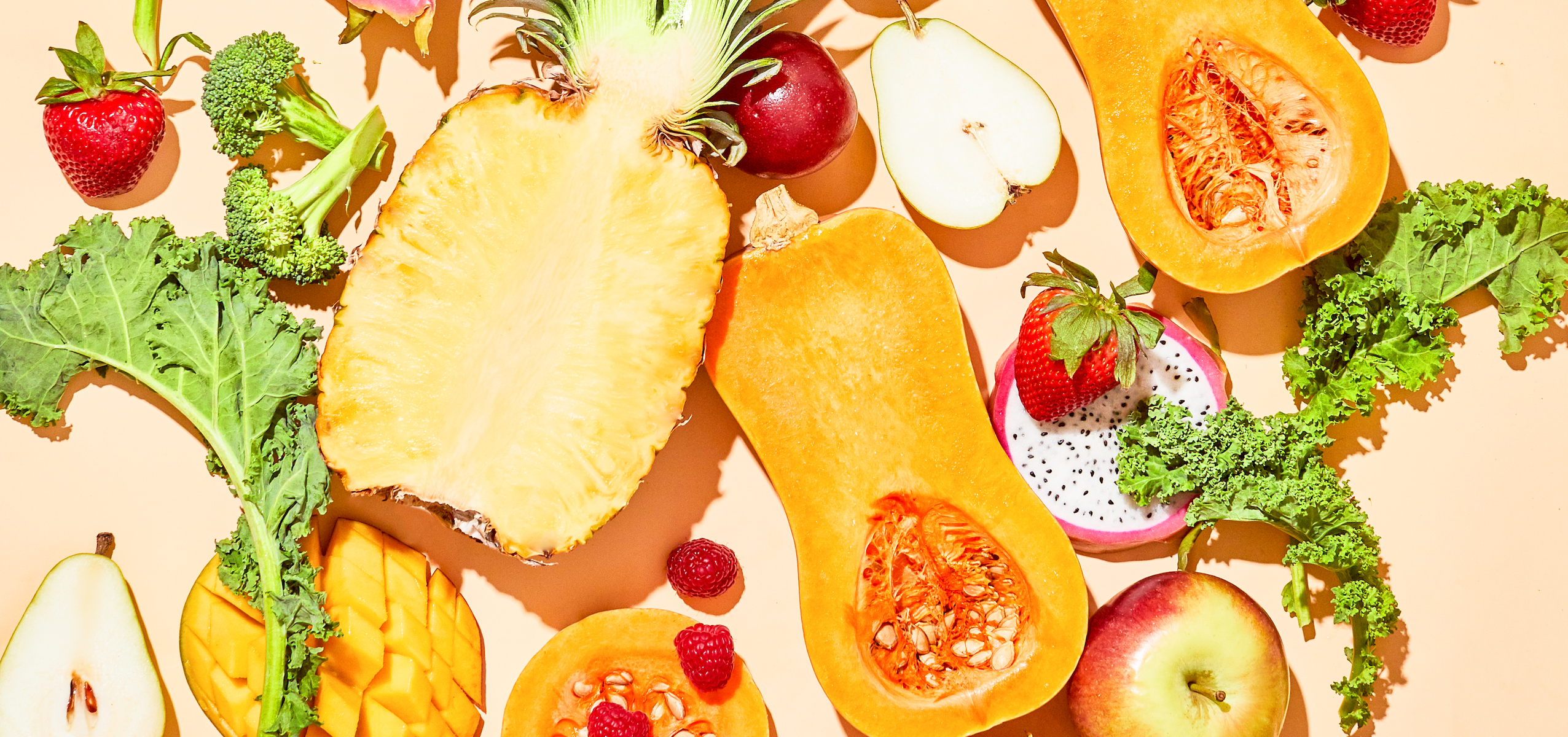
Oranges might be the poster child for vitamin C, but here’s something that might surprise you: one cup of raw broccoli has just as much vitamin C as an orange. And a red bell pepper? It has double the amount!

Other Excellent Vitamin C Sources:

  • Strawberries
  • Kiwi
  • Brussels sprouts
  • Cauliflower
  • Tomatoes
  • Cantaloupe

Age-Specific Guidance for Vitamin C

For Adults:

  • The recommended daily intake is 75 mg for women and 90 mg for men
  • One medium red bell pepper provides about 150 mg (more than you need for the day!)
  • Vitamin C is water-soluble, so your body doesn’t store it. You need to consume it regularly

For Babies (6-12 months):

  • Babies need about 50 mg of vitamin C daily, according to the National Institutes of Health
  • Offer soft, cooked vegetables like steamed broccoli florets (cut small to prevent choking)
  • Mashed strawberries or kiwi (watch for allergic reactions with first introduction)
  • Avoid raw, hard vegetables that pose choking risks

For Toddlers (1-3 years):

  • Toddlers need about 15 mg daily (easily achieved with just a few strawberries!)
  • Raw bell pepper strips make great dippers for hummus
  • According to the CDC, raw vegetables should be cut into pieces no larger than 1/2 inch to reduce choking risk[6]

Pro Tip: Vitamin C is sensitive to heat and water, so if you’re cooking vitamin C-rich foods like broccoli, aim to lightly steam or sauté them rather than boiling. This preserves more of this incredible antioxidant. For babies, steaming until just tender makes vegetables easier to mash or serve as soft finger foods.

Feed Your Gut with Probiotic Foods and Prebiotic Foods

Here’s a fact that might change how you think about immunity: about 70-80% of your immune system is located in your gut.[7] That means the health of your digestive system directly impacts how well your body can fight off illness.

Both probiotics and prebiotics are essential for keeping your gut (and immune system) healthy. Let’s break down what each one does:

Type What They Do Food Sources
Probiotics Healthy bacteria that support gut health and immune function Yogurt, kefir, kimchi, sauerkraut, miso, some aged cheeses
Prebiotics Fiber that feeds healthy gut bacteria so they can thrive Beans, oats, flaxseed, chia seeds, berries, apples, potatoes, onions, garlic

Think of it this way: probiotics are the beneficial bacteria, and prebiotics are their food. You need both for optimal gut health.

Age-Specific Guidance for Gut Health

For Adults:

  • Aim for a variety of fermented foods throughout the week
  • Just a spoonful or two of kimchi or sauerkraut provides great probiotic benefits
  • If you drink kombucha, keep servings small (1/2 to 1/3 of the bottle) to avoid excess sugar
  • Aim for 25-30 grams of prebiotic fiber daily from whole foods

For Babies (6-12 months):

  • Plain, whole-milk yogurt is an excellent first probiotic food (introduce around 6 months with pediatrician approval)
  • Avoid honey, which can cause infant botulism in babies under 12 months
  • Offer prebiotic-rich foods like mashed sweet potato, oatmeal, and pureed apples
  • Beans are wonderful sources of both protein and prebiotic fiber. Little Spoon has thoughtfully crafted blends incorporating chickpeas and white beans that make it easy to introduce these nutrient-dense foods

For Toddlers (1-3 years):

  • Plain yogurt with fresh fruit is a perfect snack
  • Kefir can be offered in small amounts (it’s tangier than yogurt, so some toddlers need time to adjust)
  • Kombucha is generally not recommended for young children due to trace alcohol content and high sugar
  • Offer a variety of prebiotic foods: oatmeal for breakfast, beans in soups, baked sweet potatoes

Safety Note: When introducing fermented foods, start with small amounts and watch for any digestive discomfort or allergic reactions. Always consult your pediatrician before introducing new foods, especially if your child has a compromised immune system or digestive issues.

Pro Tip: Make yogurt more appealing by creating a “yogurt bar” with toppings like berries, ground flaxseed, and a drizzle of nut butter. For your little one, Little Spoon’s blends that incorporate beans and fiber-rich ingredients take the guesswork out of providing both prebiotics and balanced nutrition.

Hydrate! (Yes, Water Counts as Immune Support)

Water might seem too simple to be important, but it’s absolutely key for healthy digestion, detoxification, and immune function. Yet many of us (and our little ones) aren’t drinking enough.

When you’re even mildly dehydrated, your body can’t efficiently flush out toxins or transport nutrients to cells. This can leave you more vulnerable to illness.

Signs of Dehydration to Watch For

In both you and your child, watch for these warning signs:

  • Irritability or fussiness
  • Fatigue or lethargy
  • Less frequent urination
  • Dark yellow or amber-colored urine
  • Dry lips or mouth
  • In babies: sunken fontanelle (soft spot), no tears when crying

Age-Specific Hydration Guidelines

For Adults:

  • Aim for about 8-10 cups (64-80 ounces) of water daily, more if you’re breastfeeding, exercising, or in hot weather
  • Your urine should be pale yellow (like lemonade, not apple juice)

For Babies (6-12 months):

  • Breast milk or formula provides most hydration needs
  • According to the American Academy of Pediatrics, you can offer small amounts of water (2-4 ounces per day) once solids are introduced around 6 months[8]
  • Don’t offer water before 6 months unless directed by your pediatrician

For Toddlers (1-3 years):

  • The American Academy of Pediatrics recommends approximately 4 cups (32 ounces) of water per day
  • Adjust for activity level, climate, and individual needs
  • Offer water with meals and snacks, and keep a sippy cup accessible throughout the day

Pro Tip: To stay on top of hydration for you and your little one, make it a habit to drink water first thing after waking (whether it’s morning or from a nap). We’re always at least slightly dehydrated after sleep, so this is a perfect opportunity to rehydrate. Keep water bottles and sippy cups in easy-to-reach spots around your home so drinking water becomes automatic, not an afterthought.

Beyond Nutrition: The Complete Immunity Picture

While nutrition plays a crucial role in immune health, it’s not the only factor. Sleep and stress management are equally important for supporting your family’s immunity.

For You:
If you’re having trouble winding down, consider using a meditation app like Headspace for guided relaxation, or develop a simple self-care practice that soothes your mind. Even 10 minutes of quiet time can make a difference.

For Your Baby:
Soothing music or white noise can work wonders for helping babies settle into restful sleep. According to the American Academy of Pediatrics, consistent sleep routines support both physical and emotional development.[9] A good noise machine can truly be a game-changer for your family’s sleep quality.

Frequently Asked Questions

What are the best immune-boosting foods for toddlers?

The best immune-boosting foods for toddlers include vitamin C-rich options like steamed broccoli and strawberries, probiotic foods like plain yogurt and kefir, and omega-3 sources like flaked salmon (carefully checked for bones). Always introduce new foods one at a time and watch for allergic reactions. Focus on whole, minimally processed foods and offer a variety of colors and textures to ensure balanced nutrition.

Do probiotic foods really help immunity?

Yes. Since 70-80% of the immune system is located in the gut, probiotic foods like yogurt, kefir, and sauerkraut help maintain healthy gut bacteria, which directly supports immune function. Research published in Clinical & Experimental Immunology confirms this gut-immune connection.[7] For best results, pair probiotic foods with prebiotic foods (fiber) to feed those beneficial bacteria.

What vitamin C foods are best if my child doesn’t like oranges?

Broccoli and red bell peppers actually contain more vitamin C than oranges! Other excellent sources include strawberries, kiwi, Brussels sprouts, and cantaloupe. One cup of raw broccoli provides about 80 mg of vitamin C, while a medium red bell pepper offers around 150 mg. Lightly steaming broccoli preserves more vitamin C than boiling, making it both nutritious and easier for little ones to chew.

How much water should my toddler drink daily?

According to the American Academy of Pediatrics, toddlers (1-3 years) should drink approximately 4 cups (32 ounces) of water per day, adjusted for activity level and climate.[8] Watch for signs of dehydration like irritability, fatigue, infrequent urination, and dark-colored urine. Offer water with meals and snacks, and keep a sippy cup accessible throughout the day.

Can I give my baby omega-3 supplements?

Always consult your pediatrician before giving your baby any supplements. For most babies, omega-3s are best obtained through food sources like breast milk (if you’re taking an omega-3 supplement), formula, and age-appropriate foods like flaked salmon or ground flaxseed mixed into purees. The American Academy of Pediatrics emphasizes food-first approaches for infant nutrition whenever possible.

Are fermented foods safe for babies?

Plain, whole-milk yogurt is generally safe to introduce around 6 months with your pediatrician’s approval. Other fermented foods like small amounts of sauerkraut or miso can be introduced gradually as your baby gets older and more comfortable with varied flavors. Avoid honey (risk of botulism in babies under 12 months) and kombucha (not appropriate for young children). Always start with small amounts and watch for any digestive discomfort or allergic reactions.

The Little Spoon Difference: Nutrition Made Simple

At Little Spoon, we believe feeding your family should be simple, healthy, and free from unnecessary preservatives and fillers. You shouldn’t have to choose between convenience and real, high-quality food for your children.

That’s why every Little Spoon product is crafted with organic, nutrient-dense ingredients that support your child’s development. From our Babyblends that make introducing immune-supporting foods like flaxseed and beans effortless, to our thoughtfully balanced meals for toddlers, we’re here to take the stress out of feeding your family well.

We combine nutrition expertise with recipes your kids will actually eat, raising the bar on what families can expect from baby, toddler, and kids’ meals. Because when it comes to supporting your family’s health, every bite matters.

References

  1. O’Keefe JH, et al. “Postprandial hyperglycemia/hyperlipidemia (postprandial dysmetabolism) is a cardiovascular risk factor.” American Journal of Cardiology. 2008.
  2. Simopoulos AP. “The importance of the omega-6/omega-3 fatty acid ratio in cardiovascular disease and other chronic diseases.” Experimental Biology and Medicine. 2008. PubMed Link
  3. Makrides M, et al. “Marine oil, and other prostaglandin precursor, supplementation for pregnancy uncomplicated by pre-eclampsia or intrauterine growth restriction.” Cochrane Database of Systematic Reviews. 2006.
  4. U.S. Food and Drug Administration. “Advice about Eating Fish.” FDA.gov. 2024.
  5. Carr AC, Maggini S. “Vitamin C and Immune Function.” Nutrients. 2017. NIH Link
  6. Centers for Disease Control and Prevention. “Choking Prevention.” CDC.gov. 2024.
  7. Vighi G, et al. “Allergy and the gastrointestinal system.” Clinical & Experimental Immunology. 2008. NIH Link
  8. American Academy of Pediatrics. “Healthy Hydration for Children.” AAP.org. 2024.
  9. American Academy of Pediatrics. “Healthy Sleep Habits: How Many Hours Does Your Child Need?” AAP.org. 2024.

About the Author

Lauren Kelly, MS, RD is a Registered Dietitian specializing in pediatric and family nutrition. With over 8 years of experience, Lauren helps parents navigate feeding challenges and build healthy eating habits from infancy through toddlerhood. She holds a Master’s degree in Nutrition Science and is a member of the Academy of Nutrition and Dietetics.

Of course, we are all individuals, so please speak with your physician or pediatrician before making dietary changes, particularly if you or your child are on medications or have a medical history that requires special consideration.

Share:

Looking for more tips on parenting, nutrition & all the WTF moments of this life stage? Sign up for our weekly Is This Normal by Little Spoon newsletter.

    Tags: cvdkids