If you are in the starting solids phase, baby-led weaning (BLW) is probably a buzz word you have heard other parents mention, or have seen on the many Instagram accounts dedicated to it. BLW is a relatively new approach to introducing solids to babies. It has gained popularity recently and has become an alternative approach to the more traditional/standard weaning process. Both options can work for introducing solids–the best option is the one that fits well with your family and child. If you’re getting ready to start solids with your babe, here are a few things to know about baby-led weaning.
BLW vs. Standard Weaning
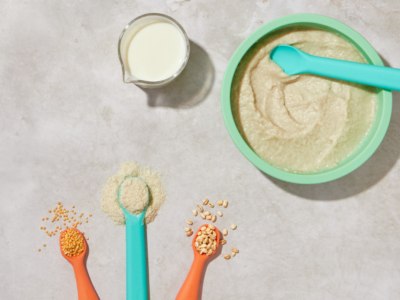
Standard weaning is the more traditional approach to introducing solids to babies. In this process, babies are offered thin purees beginning at 4-6 months of age. From there, the purees become thicker, then chunkier, until you reach the stage of finger foods, usually around 10 months of age. With starting solids, Little Spoon is a great way to make sure your child is progressing through appropriate textures. Their menu of organic Babyblends are specifically designed for each stage of eating and development.
Now how does this differ from BLW? With BLW, babies are offered developmentally appropriate finger foods from the very beginning of introducing solids. In other words, no purees are offered and babies are not spoon-fed. Babies use their hands to put food into their mouths themselves.
The main differences between these two methods take place before 10 months of age, because at around 10 months of age, children under either method ideally would be eating the same types of foods in the same consistency (aka finger foods).
Why has BLW become popular?
Babies who start solids using BLW can eat “table foods” earlier than those doing standard weaning. This means that these babies can eat the same foods as the whole family. For example, if the family is eating carrots, the baby can have those same carrots (if they are prepared safely—more on that later). On the other hand, if a family is partaking in standard weaning (aka purees), the carrots would have to be pureed before giving them to the baby. This can add an extra step for busy parents. I often see parents with multiple kids drawn towards BLW because it can help save time in food preparation.
Proponents of BLW and some research shows that parents following BLW are less controlling over food, are more likely to offer vegetables, and are more likely to share mealtimes with their child. Additionally, some research shows that toddlers who were weaned with BLW were less fussy around food.
With that said, there are also many benefits of standard weaning if done responsively in accordance with your child’s cues. It is absolutely possible to reap these same benefits using purees if the spoon-feeding is done in a way that honors your child’s wishes. What this means is that while spoon-feeding purees, wait until your child opens his or her mouth before putting the spoon in. This way the feeding pace and amount of food eaten are up to the child. Parents who have tried both standard weaning and BLW often find that at the beginning babies are able to intake a greater volume of food when being fed purees, and as the babies get better at eating finger foods, the volume of food eaten becomes similar with both methods.
Currently, the nutrition committees of the main pediatric societies affirm there is not enough research evidence to support which is the best method of weaning. As such, with my clients at Senta Health I encourage using a hybrid approach between BLW and standard weaning, tailored based on the particular family and child. The hybrid approach incorporates both purees and finger foods from the start of solids.
When to start BLW
Generally, when starting solids—regardless of method—parents should look for signs of readiness in their child. Signs can include good head and neck control, interest in your food, and sitting up with minimal support. Your pediatrician will give you the green light when he/she thinks your child is able to start solids. For standard weaning, this is generally between 4-6 months. For BLW, it is recommended babies wait until closer to 6 months to introduce solids. Since self-feeding is a necessary component of BLW, most babies are not developmentally ready to do this until closer to 6 months.
How to safely do BLW
When practicing BLW, it is our job as parents to offer babies food that is safe for them to handle. When starting out, long pieces of food (“finger foods”) are easier for babies to pick up. If a piece of food is at least 5 cm long and about 1-2 cm wide (this does not need to be exact!), babies can hold one half of it while trying to eat the other half of it. The food also should be soft so that it is able to be smooshed without chewing. A key tenet of BLW is that only the babies can put the food into their mouths because if they cannot do that themselves, the idea is that they cannot manage that food safely yet. For example, a piece of soft steamed broccoli is a great food for BLW. The broccoli stem acts as a built-in handle for babies to hold while attempting to eat the broccoli floret.
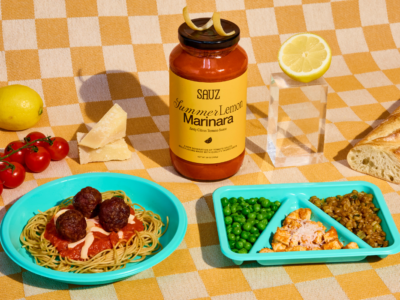
Little Spoon Plates are also a great option for BLW, and take the prep work off parents. The Broccoli Bites and Cauli Croquettes are soft and easily mashable, making them great for early eaters. Also when cut into appropriate sizes, the Cheesy Black Bean Pupusas are another great option.
Two helpful resources for more information on how to safely prepare all types of food for BLW are Solid Starts and The Baby-Led Weaning Essential Guide. I particularly like how Solid Starts shows pictures and preparation tips for almost every single type of food. I also often post tips and tricks for introducing solids on my Instagram, @sentahealth.
Lastly, for all types of weaning, it is important to avoid choking hazards. Foods that are hard, round, sticky, slippery, and very dry can increase choking risk. I recommend that all parents take a CPR class prior to starting solids.
Starting solids can be both overwhelming and exciting at the same time. No matter which weaning approach you take or whether you do a hybrid approach, try to have fun with it! Be sure to check in with your friends, your pediatrician, and online resources for additional advice along the way.