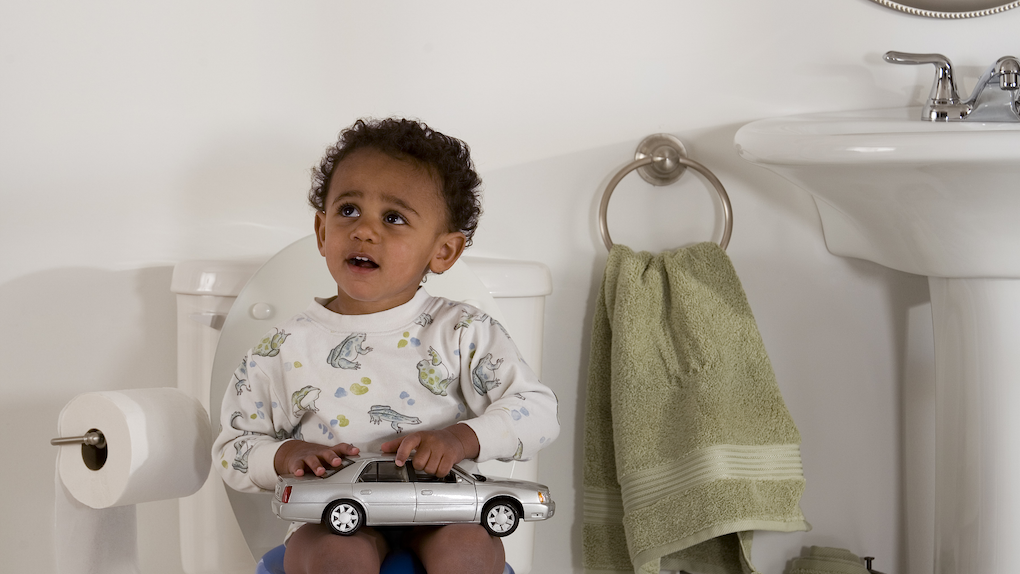
Potty training can feel overwhelming with conflicting advice everywhere. Whether you’re researching how to potty train for the first time or looking for toddler potty training tips that actually work, you’re not alone in feeling a bit lost. The good news? These four evidence-backed strategies will help you navigate readiness signs, method selection, and timeline expectations with confidence. We’ve broken down what you really need to know to make this milestone less stressful for everyone involved.
Also known as:
- Toilet training
- 3-day potty training method
- Brazelton child-oriented method
- Self-potty training approach
- Parent-led potty training
Medically reviewed by pediatric experts and aligned with American Academy of Pediatrics guidelines
Key Takeaways
- Identify readiness first: Look for physical signs (staying dry 2+ hours) and behavioral cues (interest in bathroom) before starting
- Choose one method and commit: Research approaches like the 3-day method or child-oriented training, then stay consistent
- Align all caregivers: Ensure partners, grandparents, and daycare use the same language and techniques
- Expect a marathon, not a sprint: Most children take weeks to months; accidents and regressions are normal parts of the process
Tip 1: Confirm Your Toddler’s Potty Training Readiness
Before you buy that adorable potty chair or stock up on training pants, take a breath and assess whether your little one is actually ready. According to the American Academy of Pediatrics, most children show readiness signs between 18 and 30 months, but some aren’t ready until age 3 or later. And that’s completely normal.
What to look for:
Physical readiness signs:
- Stays dry for at least two hours at a time or wakes up dry from naps
- Has regular, predictable bowel movements
- Can pull pants up and down independently
- Shows physical coordination to walk to and sit on the potty
Behavioral and emotional readiness signs:
- Expresses discomfort with dirty or wet diapers
- Shows interest in the bathroom or watching others use the toilet
- Can follow simple two-step instructions
- Demonstrates a desire for independence (“Me do it!”)
- Can communicate when they need to go, either verbally or through gestures
Why this matters: Starting potty training before your child is developmentally ready often leads to frustration, power struggles, and a longer overall timeline. Research shows that children who begin training when they show multiple readiness signs typically complete the process faster and with fewer setbacks than those who start based on age alone or external pressure.
Common mistake to avoid: Don’t start potty training just because your child’s peers are training, your daycare has an age requirement, or well-meaning relatives are pressuring you. Every child develops at their own pace, and forcing the issue before they’re ready can actually delay success and create negative associations with the bathroom.
Tip 2: Choose Your Potty Training Method and Commit
Once you’ve confirmed readiness, it’s time to choose an approach that fits your family’s lifestyle and your child’s temperament. The key isn’t finding the “perfect” method but selecting one and staying consistent.
Popular potty training approaches:
The 3-Day Method (Intensive Approach):
This method involves dedicating a long weekend to focused potty training. You stay home, ditch the diapers, and take your child to the potty every 15-20 minutes. It requires full commitment and works best for children showing strong readiness signs and parents who can clear their schedule completely.
The Brazelton Child-Oriented Method (Gradual Approach):
Developed by pediatrician T. Berry Brazelton, this gentler approach follows your child’s lead over weeks or months. You introduce the potty chair, let your child sit on it fully clothed, then gradually progress to sitting without a diaper, and eventually to independent use. This method emphasizes zero pressure and celebrates small wins.
Parent-Led Scheduled Training:
This approach involves taking your child to the potty at regular intervals throughout the day (after meals, before naps, every two hours) to establish a routine. You’re creating the structure while your child learns to recognize their body’s signals.
Why consistency matters: According to pediatric research, the specific method you choose matters less than your commitment to it. Switching approaches mid-stream or being inconsistent confuses your child and extends the training timeline. Pick the method that feels most aligned with your parenting style and your child’s personality, then give it at least 2-3 weeks before reassessing.
What works for busy families: If you’re juggling work, multiple kids, or a packed schedule (and honestly, who isn’t?), the gradual or scheduled approach often feels more sustainable than intensive methods. The goal is progress, not perfection. Just like with feeding your kids nutritious meals, consistency beats intensity every time.
Tip 3: Align All Caregivers on Your Approach
Here’s a truth that catches many parents off guard: potty training success depends heavily on everyone in your child’s life being on the same page. If you’re using one approach at home while grandma uses another and daycare does something completely different, your toddler will understandably struggle with mixed messages.
How to get everyone aligned:
Start with your partner or co-parent:
Have a detailed conversation about your chosen method, language you’ll use (“potty,” “pee,” “poop”), reward system (if any), and how you’ll handle accidents. Agree on a consistent response to both successes and setbacks. Research from the Mayo Clinic shows that children whose caregivers present a united front typically train 30-40% faster than those receiving inconsistent guidance.
Communicate with daycare providers:
Schedule a meeting with your child’s teachers to discuss their potty training policies and how you can align your home approach with their classroom routine. Ask specific questions: How often do they take children to the bathroom? What language do they use? Do they offer rewards? Can you send extra clothes?
Brief extended family and regular caregivers:
Create a simple one-page guide outlining your approach, the language you’re using, your child’s schedule, and how to respond to accidents. Be clear and specific. Instead of “be supportive,” try “when accidents happen, say ‘It’s okay, accidents happen while we’re learning. Let’s clean up and try again.'”
Why this matters: Toddlers thrive on predictability and routine. When every adult in their life responds the same way to potty situations, they learn faster and feel more secure. Inconsistency creates confusion and can lead to anxiety around bathroom use.
Real talk: Getting everyone aligned takes effort upfront, but it saves you weeks of frustration later. Think of it like establishing healthy eating habits. When everyone offers the same nutritious options and positive reinforcement, kids learn what to expect and feel confident in their choices.
Tip 4: Set Realistic Timeline Expectations
Let’s address the elephant in the room: despite what some intensive training programs promise, most children don’t become fully potty trained in three days. And that’s not a reflection on your parenting or your child’s abilities.
What’s actually normal:
According to the American Academy of Pediatrics, the average potty training timeline ranges from three to six months from start to consistent daytime dryness. Some children master it in weeks; others take closer to a year. Both scenarios fall within the normal range of child development.
The typical progression looks like this:
- Weeks 1-2: Introduction phase with frequent accidents as your child learns to recognize their body’s signals
- Weeks 3-6: Increasing success with prompting; your child starts initiating some bathroom trips independently
- Months 2-3: Consistent daytime dryness with occasional accidents, especially during transitions, illness, or exciting activities
- Months 3-6+: Mastery of daytime training; nighttime dryness may take an additional 6-12 months
Why it takes time: Potty training isn’t just a physical skill. It requires your child to recognize internal sensations, interrupt what they’re doing, communicate their need, get to the bathroom, manage clothing, and complete the process. That’s a lot of executive function for a toddler’s developing brain to coordinate.
Expect setbacks and regressions: Accidents will happen. Regressions are normal, especially during major life changes (new sibling, moving, starting school), illness, or developmental leaps. The CDC notes that temporary regression affects approximately 50% of children during potty training and doesn’t indicate failure or the need to start over.
Common mistake to avoid: Don’t compare your child’s timeline to others or feel pressured by arbitrary deadlines. Starting preschool, having another baby, or reaching a certain age are not valid reasons to rush the process. Pressure creates stress for everyone and often backfires, extending the timeline further.
Remember: This is a marathon, not a sprint. Sometimes it’s an ultramarathon, and that’s okay too. Your child will get there when they’re developmentally ready, and your patient, consistent support is what matters most.
Frequently Asked Questions About Potty Training
What age should I start potty training?
Most children show readiness signs between 18 and 30 months, but some aren’t ready until age 3 or later. According to the American Academy of Pediatrics, the right time to start is when your child demonstrates multiple readiness signs, not when they reach a specific age. Physical readiness (staying dry for 2+ hours, regular bowel movements), behavioral interest (curiosity about the bathroom), and emotional readiness (desire for independence) all need to align. Starting based on readiness rather than age leads to faster success and fewer power struggles.
How long does potty training take?
The timeline varies significantly by child, but most children take three to six months to achieve consistent daytime dryness. Some master it in a few weeks, while others need closer to a year. Factors affecting timeline include your child’s age when starting, their temperament, consistency of approach across all caregivers, and whether any major life changes occur during training. Nighttime dryness typically comes 6-12 months after daytime training, as it depends on different developmental factors like bladder capacity and sleep patterns.
Is potty training regression normal?
Yes, absolutely. Approximately 50% of children experience temporary regression during potty training, according to pediatric research. Common triggers include illness, stress from major life changes (new sibling, moving, starting daycare), developmental leaps, or changes in routine. Regression doesn’t mean you need to start over or that your child has “forgotten” their training. Stay calm, return to more frequent prompting, and maintain your consistent approach. Most regressions resolve within a few weeks once the trigger passes.
How do I potty train for poop vs. pee?
Many children master urination before bowel movements, and some experience poop withholding, which is completely normal. Bowel movements require more physical awareness and control, and some children feel anxious about the sensation or loss of control. If your child is successfully peeing in the potty but requesting a diaper for poops, don’t panic. Continue offering the potty for bowel movements without pressure, ensure they’re eating plenty of fiber and staying hydrated to prevent constipation, and consider reading books about pooping on the potty. Most children overcome this phase within a few weeks to months.
When should I call a pediatrician about potty training?
Contact your pediatrician if you notice signs of painful urination or bowel movements, blood in urine or stool, severe constipation or withholding lasting more than a few weeks, no progress after six months of consistent training with a ready child, or extreme anxiety or fear around bathroom use. Additionally, if your child was previously trained and experiences sudden, persistent regression without an obvious trigger, check in with your doctor to rule out urinary tract infections or other medical issues.
Should I use rewards or stickers for potty training?
Reward systems work well for some families and children, but they’re not necessary for everyone. If you choose to use rewards, keep them simple and immediate (a sticker, high-five, or special song rather than elaborate prizes). The American Academy of Pediatrics suggests that praise and positive attention are often more effective than tangible rewards. Whatever you choose, be consistent and gradually fade rewards as the behavior becomes routine. Avoid punishment or negative reactions to accidents, as these can create anxiety and delay progress.
What’s the difference between nighttime and daytime training?
Nighttime dryness is a separate developmental milestone from daytime training and typically comes later. While daytime training involves conscious control and recognition of body signals, nighttime dryness depends on physical factors like bladder capacity, hormone production that concentrates urine overnight, and the ability to wake when the bladder is full. Most children achieve nighttime dryness between ages 3 and 5, but bedwetting up to age 7 is considered within the normal range. Don’t start nighttime training until your child consistently wakes up dry from naps and overnight for several weeks.
How do I handle potty training accidents?
Stay calm and matter-of-fact. Accidents are a normal, expected part of learning. Respond with simple, neutral language: “Oops, you had an accident. That’s okay, accidents happen while we’re learning. Let’s clean up and try again.” Avoid punishment, shame, or showing frustration, as negative reactions create anxiety around bathroom use and can delay progress. Help your child participate in cleanup (changing clothes, wiping up) as a natural consequence, not a punishment. Then move on without dwelling on it. Reinforce successes enthusiastically and treat accidents as no big deal.
Navigating Common Potty Training Challenges
Handling Constipation and Poop Withholding
One of the most common derailers of potty training is constipation or poop withholding. When children feel anxious about bowel movements or experience painful poops, they may hold them in, creating a cycle that makes the problem worse.
Signs to watch for:
- Straining or crying during bowel movements
- Going several days without pooping
- Hard, pellet-like stools
- Requesting a diaper specifically for bowel movements
- Hiding or standing in corners when they need to poop
What helps: Ensure your child is drinking plenty of water throughout the day and eating fiber-rich foods like fruits, vegetables, and whole grains. Just like we believe in feeding kids real, nutrient-dense food for their overall health, what goes in directly affects what comes out. Avoid pressuring your child about pooping on the potty, as this often increases anxiety. If constipation persists for more than a week or two, consult your pediatrician about safe interventions.
Coordinating with Daycare and Other Caregivers
Consistency across environments is crucial for potty training success. If your child attends daycare or spends significant time with other caregivers, coordination becomes essential.
Create a simple communication system:
- Share a brief written guide outlining your approach, language, and schedule
- Ask caregivers to note successful potty trips and accidents so you can identify patterns
- Provide plenty of extra clothes and make restocking them part of your routine
- Schedule brief weekly check-ins to discuss progress and adjust the approach if needed
What to communicate:
- The specific words you use for bathroom functions
- Your child’s typical bathroom schedule
- How you handle accidents (matter-of-fact cleanup, no punishment)
- Any rewards or incentives you’re using
- Signs your child shows when they need to go
Most quality childcare providers have experience with potty training and will work with you to maintain consistency. Don’t hesitate to advocate for your child’s needs and your chosen approach.
Nighttime Training: A Separate Journey
Many parents assume that once daytime training is complete, nighttime dryness will follow quickly. In reality, nighttime bladder control is a distinct developmental milestone that often comes 6-12 months after daytime training.
Why nighttime is different: Staying dry overnight requires physical maturity including adequate bladder capacity, production of antidiuretic hormone (which concentrates urine at night), and the neurological ability to wake when the bladder is full. These factors develop on their own timeline and can’t be rushed through training.
When to start nighttime training: Wait until your child consistently wakes up dry from naps and overnight for at least two weeks. This indicates their body is physically ready. Before that point, nighttime pull-ups or diapers are appropriate and don’t interfere with daytime training.
What’s normal: According to the American Academy of Pediatrics, approximately 20% of five-year-olds and 10% of seven-year-olds still experience occasional bedwetting. This is considered within the normal developmental range and usually resolves on its own. If bedwetting persists beyond age 7 or your child was previously dry at night for several months and then starts wetting again, consult your pediatrician.
Equipment and Practical Considerations
Potty Chair vs. Toilet Seat Adapter
Both options work well; the choice depends on your child’s preference and your home setup.
Potty chair advantages:
- Child-sized and less intimidating
- Portable (can move to different rooms or take on trips)
- Feet rest flat on the floor, making it easier to push during bowel movements
- Some children feel more secure on their own small potty
Toilet seat adapter advantages:
- Transitions directly to the regular toilet
- No separate potty to clean
- Works well for children who want to “be like grown-ups”
- Requires a step stool for climbing and foot support
Let your child help choose their potty equipment. Their investment in the decision often increases their enthusiasm for using it.
Training Pants vs. Underwear
This decision depends on your chosen method and practical considerations.
Training pants (pull-ups): Offer some protection during the learning phase and are easier for children to pull up and down independently. However, some children don’t feel wetness as clearly in training pants, which can slow the learning process. They work well for outings, naps, and situations where accidents would be particularly problematic.
Regular underwear: Helps children feel wetness immediately, which reinforces the connection between the sensation of needing to go and the result of waiting too long. Many parents find that switching to underwear accelerates training, though it requires more cleanup during the learning phase.
A practical approach: Use underwear at home where accidents are manageable, and training pants for outings, car trips, and sleep until your child is consistently dry. Let your child pick out exciting underwear featuring their favorite characters as motivation.
Supporting Your Child’s Success
Potty training is as much an emotional journey as a physical one. Your attitude, patience, and support make all the difference in how your child experiences this milestone.
Celebrate small wins: Every successful potty trip deserves acknowledgment, even if it’s just a high-five or enthusiastic “You did it!” Positive reinforcement builds confidence and motivation.
Maintain realistic expectations: Some days will feel like huge progress; others will feel like you’re back at square one. This is normal. Development isn’t linear, and setbacks don’t erase progress.
Take care of yourself: Potty training can be exhausting and frustrating. It’s okay to feel overwhelmed. Take breaks when you need them, ask for support from your partner or other caregivers, and remember that this phase is temporary.
Trust the process: Your child will get there. Some children train quickly; others need more time. Neither timeline reflects on your parenting or your child’s intelligence. Every child develops at their own pace, and your patient, consistent support is what matters most.
Just like choosing nutritious, real food for your child’s meals supports their physical development, providing patient, consistent guidance during potty training supports their emotional and developmental growth. You’re giving them the tools they need to master this important skill, and that’s exactly what they need from you.